
Skin ageing begins long before the first wrinkle appears. Collagen — the protein that gives skin its structure, strength and firmness — gradually declines with age, contributing to changes in how skin looks and feels.
Collagen banking takes a proactive approach: supporting skin now to help maintain its firmness and quality in the years ahead.
Why does skin lose collagen?
Collagen loss is a natural part of ageing. Research suggests that skin collagen content declines by approximately 1% per year during adulthood, although the rate varies between individuals. Sun exposure and smoking can accelerate its breakdown.
Hormonal changes also play a role. Women’s skin can lose around 30% of its collagen during the first five years of menopause, followed by a more gradual decline of around 2% per year over the next 20 years.

While ageing is inevitable, daily skincare habits and carefully chosen professional treatments can help support skin as its needs evolve.
What is collagen banking?
Collagen banking is a preventative approach to skincare that focuses on protecting existing collagen and encouraging its natural production.
The principle is to invest in long-term skin quality. Although collagen cannot literally be saved for later, it is possible to reduce avoidable breakdown and support the processes that maintain skin structure.
Daily sun protection, consistent home care and professional treatments such as Lumixa Collagen Booster or microneedling can all form part of this approach.
Who can benefit from collagen banking — and why start early?
Clients do not need to wait until wrinkles become established to consider supporting collagen. There is no single age at which professional treatments should begin: recommendations should reflect each client’s skin condition, concerns and goals.
Collagen banking may be relevant for:
- Clients noticing early signs of ageing. In their late 20s and 30s, the focus may be on protecting skin and addressing fine lines or subtle changes in firmness.
- Clients with a history of sun exposure. Protecting against further UV damage becomes particularly important, alongside addressing visible changes.
- Clients concerned about uneven texture or acne scarring. Collagen-stimulating treatments such as microneedling can help improve texture and the appearance of certain acne scars.
- Clients experiencing skin changes through midlife and beyond. More noticeable lines or a loss of firmness may prompt a review of professional treatments and home care.
Depending on the treatment chosen, stimulating collagen production can help skin appear firmer and smoother, with improvements developing gradually.
Treatments for collagen banking
Lumixa Collagen Booster and microneedling offer two different ways to support collagen production. They can be offered as standalone treatments or incorporated into a combined treatment plan, following the appropriate protocols.
Lumixa Collagen Booster facial
For clients seeking a non-invasive option, Lumixa Collagen Booster uses light and a topical gel to support collagen production.
A professional blue LED light activates the photoconverter gel, generating Fluorescent Light Energy (FLE). This stimulates fibroblasts — the cells responsible for producing collagen — to help improve skin texture and the appearance of fine lines and visible pores. Manufacturer testing on human fibroblasts has demonstrated an increase in collagen production of up to 700%.
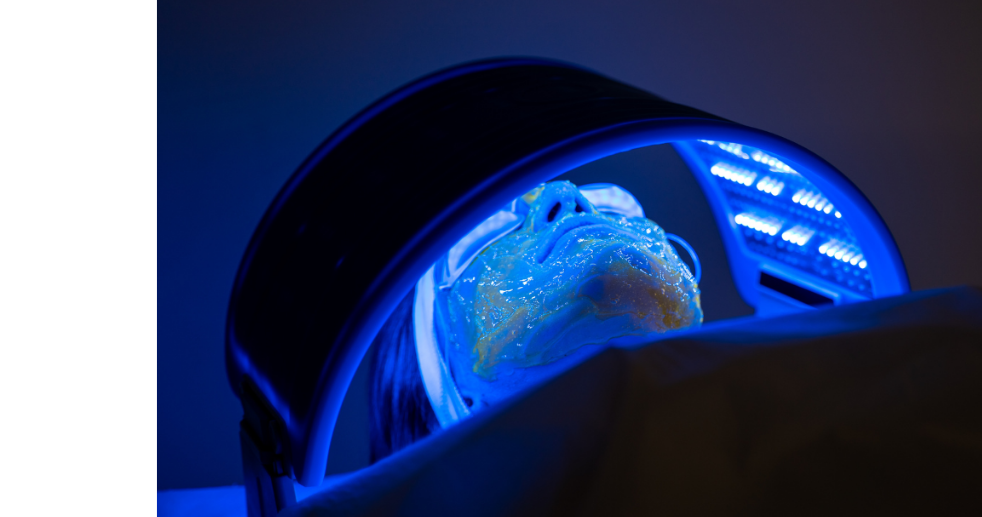
The treatment is comfortable, with light activation taking approximately 15 minutes and no expected downtime. A course of five weekly treatments is recommended, allowing improvements to develop over time.
Microneedling
Microneedling, also known as collagen induction therapy, uses fine needles to create controlled micro-injuries in the skin. These trigger the skin’s natural repair response, stimulating collagen and elastin production.
A course of treatments can help improve uneven texture, soften the appearance of fine lines and reduce the visibility of acne scars. Results develop gradually as the skin repairs and remodels.
Sterile CLINICCARE mesotherapy serums can be incorporated according to the relevant protocols, with product selection tailored to the client’s skin concerns.
Radiofrequency
Radiofrequency uses controlled heating to stimulate collagen production and remodelling, helping tighten skin and reduce the appearance of fine lines.
Non-invasive RF treatments, such as those offered by the Dual Injector Pro+, can be particularly relevant for clients noticing a loss of firmness. Depending on the device and treatment parameters, heating can cause an initial contraction of existing collagen fibres, while new collagen production and remodelling develop gradually over the course of treatment and beyond.
Supporting collagen between treatments
Professional treatments are only one part of caring for collagen. Recommending daily broad-spectrum SPF 30 or higher helps clients protect their skin from further UV damage.
A suitable home care routine can provide further support, with antioxidants to help protect against free radical damage and retinol to encourage collagen production and improve the appearance of fine lines.
Collagen banking provides a useful starting point for conversations about long-term skin health, helping clients understand how everyday protection, home care and professional treatments work together.
For practitioners interested in introducing Lumixa Collagen Booster or microneedling to their clinic or salon, contact 4T Medical for product information, training and treatment protocols.